
When people think about health, they usually focus on the visible parts.
Exercise. Nutrition. Sleep. Stress levels.
Hearing rarely makes the list.
But your hearing plays a larger role in your overall well-being than you might expect. It affects how you communicate, how you connect with others, and even how your brain processes information.
Ignoring it does not just impact your ears. It can influence your entire quality of life.
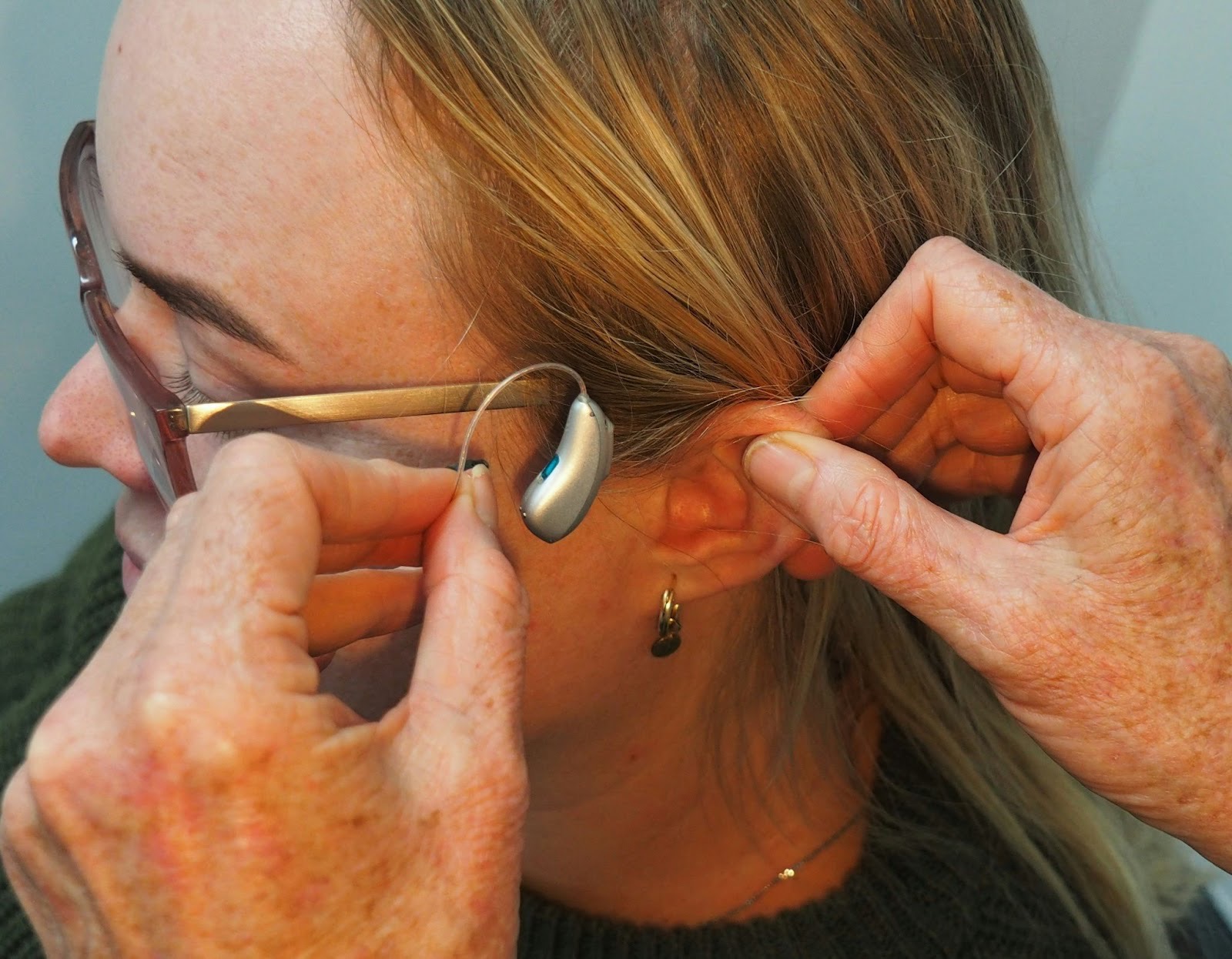
Photo by Mark Paton on Unsplash
Hearing Affects More Than Conversations
You rely on your hearing from the moment you wake up.
Alarms. Traffic. Conversations at work. Music. Subtle sounds in your home. Your ears constantly gather information about your environment.
When hearing begins to decline, it often happens gradually. You may ask people to repeat themselves more often. You might increase the volume on the television. You may find it more difficult to follow conversations in a busy place.
Many people brush this off as a minor inconvenience. But these are the signs that you may need to look for support.
Some people begin avoiding gatherings because keeping up with conversation feels exhausting. That isolation can affect mood and confidence. Hearing health is closely connected to emotional health, so it is extremely important for your quality of life to get the help you deserve.
Early Action Makes a Difference
The good news is that early action can prevent many long-term issues.
If you suspect changes in your hearing, it is wise to find an audiologist who can assess yourhearing levels and identify any concerns. A professional evaluation is simple and painless, yet it provides clear information about what is happening.
Hearing tests do more than confirm hearing loss. They help rule out underlying medical causes and guide appropriate treatment.
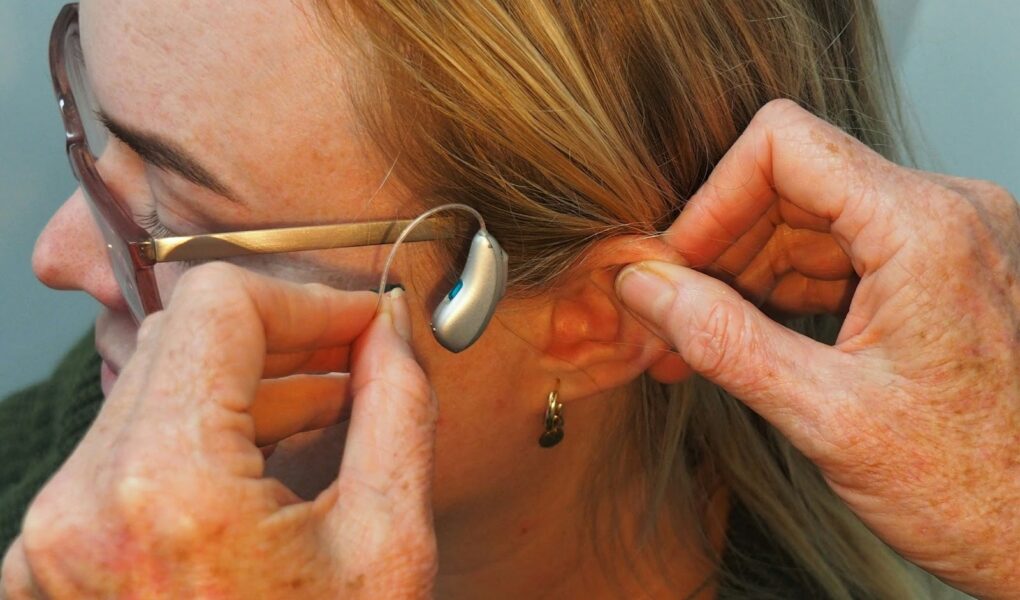
In many cases, small interventions make a significant difference. Modern hearing aids are discreet and more advanced than ever. For some people, simple earwax removal or treating an infection can help; the key is not waiting until communication becomes difficult.
Preventative care protects both your hearing and your confidence.
Hearing and Brain Health
Research continues to explore the connection between hearing and cognitive health.
When your brain receives consistent auditory input, it stays actively engaged. Reduced stimulation over long periods may affect how certain areas of the brain function.
Staying socially active, mentally stimulated, and physically healthy all contribute to a healthy body and mind. Hearing plays a role in each of these areas.
If you struggle to follow conversations, you may participate less. If you withdraw from group settings, you reduce mental stimulation. Over time, this type of pattern has a high impact on your health.
Protecting your hearing supports other health goals, too. It allows you to stay present in conversations, engaged in activities, and connected with people around you.
Conclusion
Your health is interconnected in many different ways.
Hearing is not separate from the rest of your well-being. It influences communication, mental energy, social connection, and brain engagement.
Paying attention to your hearing is not just about sound clarity. It is about staying connected to the world around you.
When you protect your hearing, you support your overall health in ways that extend far beyond your ears.